The Champions Trophy Controversy and Cricket's Global Integrity
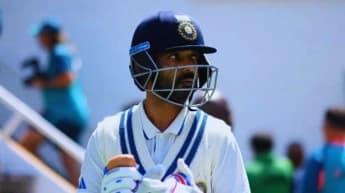
As the 2025 Champions Trophy looms, the ongoing stand-off between the ICC, Pakistan, and India raises deeper questions about cricket’s future as a truly global sport.
Cricket’s rich history, filled with defining moments, has witnessed its share of controversies, from the first men’s World Cup in 1975 to the present day. While the sport has evolved over time, some challenges, particularly related to team participation and political tensions, have remained constant. The ongoing standoff regarding the 2025 Champions Trophy in Pakistan is the latest chapter in this saga, reminding us of the complex intersection between cricket, politics, and security.
The Champions Trophy debacle is not the first time a high-profile tournament has been marred by a team’s refusal to participate. In fact, it has happened multiple times, driven by varying factors ranging from security concerns to diplomatic disputes.
One of the most notable precedents occurred during the 1996 World Cup, co-hosted by India, Pakistan, and Sri Lanka. In the wake of a devastating bombing in Colombo, both Australia and the West Indies refused to play their group-stage matches in Sri Lanka, citing security fears. The decision was met with strong reactions, with the ICC ultimately awarding the points to the Sri Lankan hosts, leading to a walkover that saw Sri Lanka advancing to the semi-finals.
This marked a pivotal moment in ICC tournament history. The Sri Lankan team, buoyed by the extra points, defied the odds and clinched a historic World Cup title in Lahore, a victory that remains etched in the minds of cricket fans worldwide. But the underlying issue—the refusal of two major teams to travel—had profound implications on the tournament’s integrity and the ICC's crisis management strategies.
Reflecting on those events, Rashid Latif, a former Pakistan wicketkeeper, pointed out the importance of upholding ICC rules, stressing that Pakistan is in a “strong position” to host the 2025 Champions Trophy, particularly given the significance of the India-Pakistan match for broadcasters and revenue generation. His insights echo the financial and logistical pressures that often influence these decisions.
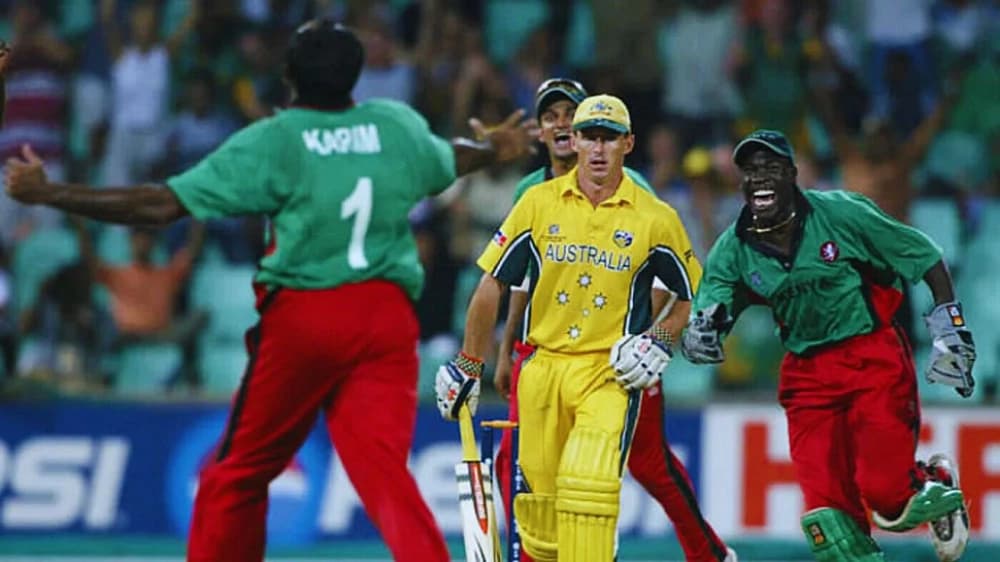
Fast forward to 2003, and the political landscape continued to shape the fate of international cricket tournaments. This time, the World Cup was held across South Africa, Zimbabwe, and Kenya. England and New Zealand both refused to play their respective matches in Zimbabwe and Kenya, citing “security concerns.” While the ICC stood firm, ruling that the venues were safe, the political ramifications were hard to ignore. Zimbabwe and Kenya were awarded automatic points, ultimately altering the course of the tournament.
Zimbabwe’s unexpected rise to the top six and Kenya’s surprise run to the semi-finals were testament to the unpredictable nature of cricket, but they also highlighted the fragility of tournament schedules in an ever-changing geopolitical landscape.
Perhaps no more emblematic of cricket’s complex relationship with politics was the 2009 T20 World Cup. Zimbabwe, caught in the crosshairs of international visa restrictions, was forced to withdraw from the tournament after the UK refused to grant their players visas. Despite Zimbabwe Cricket’s official withdrawal—prompted by the potential visa issues—ICC’s handling of the situation was another example of the board navigating the delicate balance between sport and diplomacy. Peter Chingoka, the chairman of Zimbabwe Cricket at the time, eloquently summed up the situation, saying, “We don’t want to be gatecrashers; we will attend only those weddings to which we are invited.”
The more recent example of New Zealand’s withdrawal from the 2022 U-19 World Cup due to Covid-related quarantine restrictions further underscores the unpredictability of team participation. New Zealand's absence, caused by stringent travel regulations, was met with the replacement of the team by Scotland, yet another reminder of how global crises impact the sport’s ability to maintain its traditional calendar.
In the current context, the ongoing debate surrounding the 2025 Champions Trophy highlights the financial forces driving much of the decision-making process. The refusal of the Indian cricket board to send its team to Pakistan, coupled with the broader political climate, has ignited a debate about the integrity of the game. Aatif Nawaz, of BBC’s Test Match Special, has been outspoken in asserting that the ICC’s actions should reflect the interests of the sport as a whole, rather than those of a few boards seeking financial gain.
He contends that if Pakistan is once again forced to travel to India for the tournament, it would expose the hypocrisy of the supposed “spirit of the game” and reveal how much influence financial considerations hold in shaping the sport’s international landscape.